Fuel prices are high these days, and you want to switch to an electric light truck for intercity routes, but you’re worried the expressway range won’t hold up — what do you do? Recently, this is exactly the question being discussed in intercity trucker groups. Three or four hundred kilometres a day, most of it on the expressway — will the range be reliable? Is charging convenient? Will it really save money? Do you dare turn on the heater in winter? Don’t worry — the JAC 1-Truck Kunpeng ET9 brings you the most honest buying guide on the internet, solving the pain points of running electric trucks on intercity routes once and for all from four dimensions: range, charging, energy consumption and comfort.
Is Expressway Range Really Reliable?
Running intercity routes with an electric truck is completely different from short-distance shuttling in the city. Three or four hundred kilometres a day is routine, and the expressway share often reaches 70–80%. Once the truck gets on the expressway, energy consumption shoots up, and even a high claimed range feels shaky. Why? The key is aerodynamic drag! Many light trucks on the market are built on “oil-to-electric” platforms with boxy fronts and drag coefficients around 0.5 Cd. Running on the expressway is like pushing a wall — more than half the battery power goes into “pushing air”.
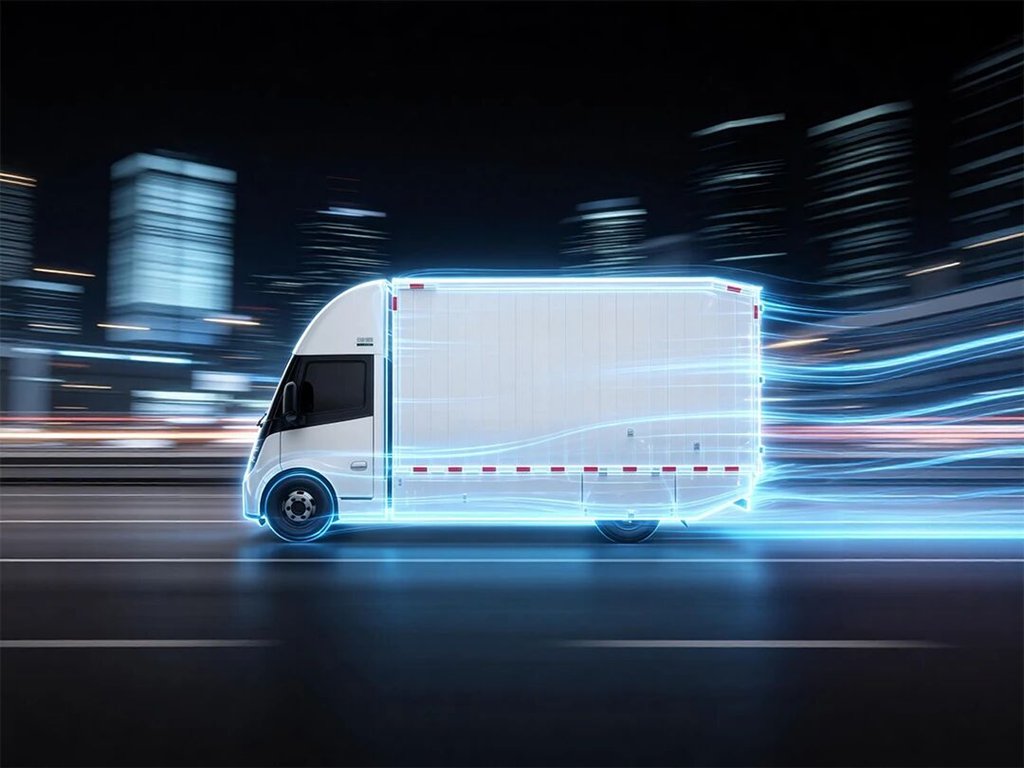
The Kunpeng ET9 is built on the world’s first dedicated pure-electric architecture for light trucks, featuring the industry-first wedge-shaped body with a drag coefficient of only 0.33 Cd — 30% lower than the industry average. The ultra-low drag delivers real range performance: loaded with 1.5 tonnes, with the expressway share exceeding 90% and an average speed of 85 km/h, the Kunpeng ET9 still had 39% battery remaining after covering 310.9 km, running 3.7 km per kWh. Compared with light trucks of the same battery capacity, the Kunpeng ET9 can travel more than 100 km further, effectively guaranteeing the “one-shot direct delivery” operational needs of intercity transport.
Does Charging Efficiency Hold Up Orders?
Reliable range is not enough — intercity transport values “people rest, the truck doesn’t”. Charging efficiency is the key variable that determines daily operating hours. A fuel truck refuels in three to five minutes and can go anywhere without delay, but if an electric truck takes an hour or so to charge, you lose one job a day, and the fuel money saved isn’t enough to make up for the lost time. The real value of fast charging lies in reducing the share of non-operating time and not missing orders.
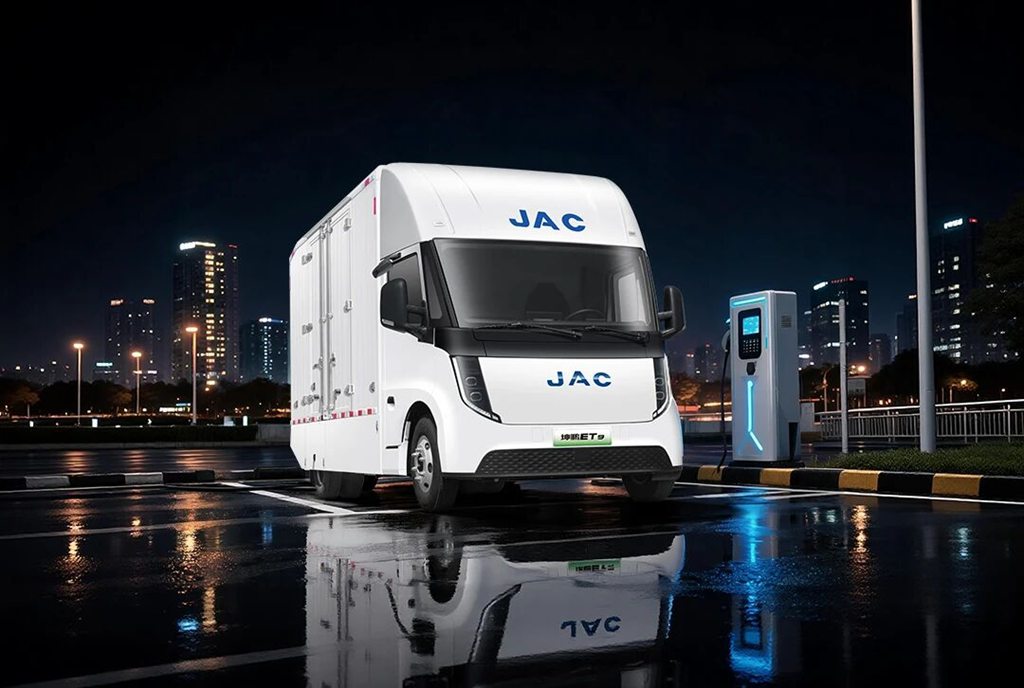
The Kunpeng ET9 is equipped with the industry-first CATL customised Tianxing single-pack constant-temperature battery, paired with dual-gun 2C ultra-fast charging, taking SOC from 20% to 80% in just 18 minutes. In real operating scenarios, the battery is full by the time you finish loading or unloading cargo or have a bowl of noodles at a service area. Fifteen minutes of charging adds more than 200 km of range, and ordinary fast-charging piles at expressway service areas can run at full power — no picky chargers, no queues. Saving more than an hour of charging time every day means more than a dozen extra orders a month. Calculated on 300 operating days a year, it accumulates more than 300 hours of savings — equivalent to nearly 13 full additional operating days a year.
Is the Running Cost Really Lower Than a Fuel Truck?
The average annual mileage of intercity transport is usually over 100,000 km, so energy cost directly determines how much you earn. Some trucks have decent energy consumption in the city but double their consumption on the expressway under full load — not actually saving money. Others see range drop by 30% when the heater is on in winter, and the fuel money saved just gets spent on electricity. The efficiency of the electric drive system and the effectiveness of the thermal management system are the two key technical dimensions that determine energy consumption.
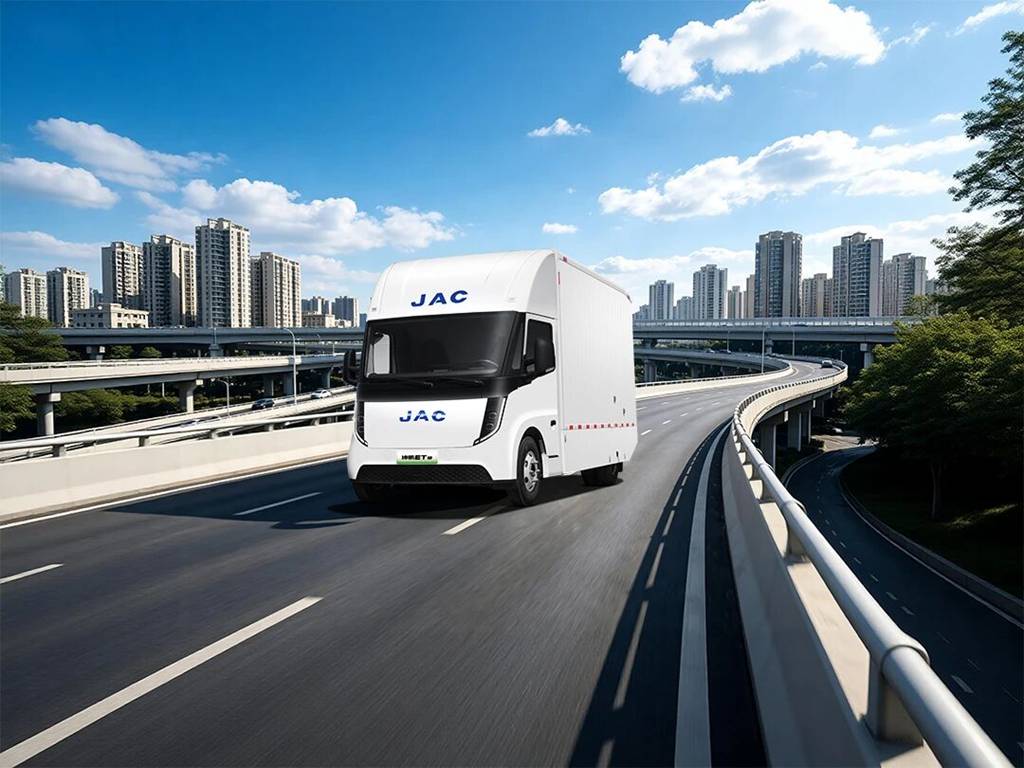
The Kunpeng ET9 is equipped with the industry-first flat-wire oil-cooled motor, combined with a highly integrated seven-in-one controller, achieving a system peak efficiency of 99.5% — almost no kilowatt-hour is wasted. In winter, the industry-first multi-source heat pump intelligent temperature control system saves more than 40% of the energy used for heating compared with traditional PTC air conditioning, effectively solving the problem of excessive heating energy consumption in low-temperature environments. Based on 100,000 km of annual driving, real-world tests show that compared with models of the same battery capacity, the Kunpeng ET9 can save more than RMB 20,000 a year; compared with a 4.2 m fuel truck at the RMB 120,000 price point, the Kunpeng ET9 can save more than RMB 65,000 a year (factoring in maintenance, insurance, energy and other costs) — enough money to buy a big appliance for the family.
Is Long-Distance Driving Uncomfortable?
Intercity routes can mean hundreds of kilometres a day, and many truckers end up with back pain after long periods of driving — occupational ailments that linger over time, earning money but damaging health. The Kunpeng ET9’s cab is 2,170 mm wide with an interior height of 1,850 mm and a completely flat floor, so a 1.8-metre-tall trucker can stand up straight and move around. Aviation-style airbag shock-absorbing seats are paired with a 12.3-inch intelligent large screen and intelligent voice interaction, while smart assist systems including keyless start, column shifter design, automatic emergency braking and lane departure warning escort the entire journey.
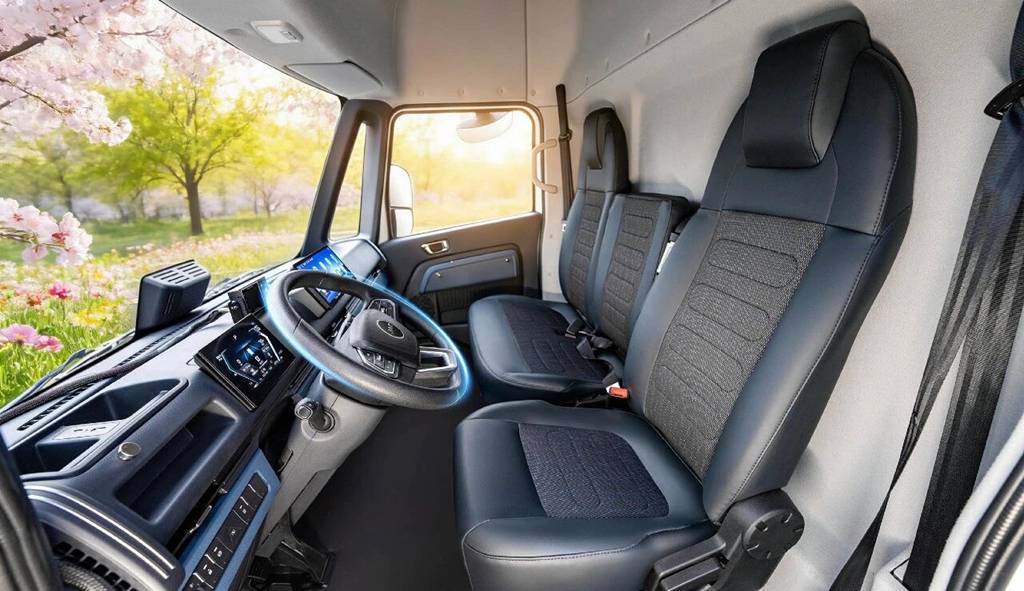
In addition, when running intercity routes fully loaded, the worst fear is something going wrong on the road — at best it delays delivery, at worst the freight charges don’t even cover the cargo damage. The Kunpeng ET9 has undergone 1 million km of rigorous validation across all operating conditions, 9-tonne GVW full-load tests, an ultra-long warranty of up to 8 years or 800,000 km on the three-electric system, and more than 1,800 service outlets nationwide — no matter where you go, you can drive with confidence. Through the JAC Trucker APP, you can also remotely control the air conditioning, locate the vehicle in real time and replay driving tracks, making vehicle use much easier.
In summary, whether an electric light truck can run intercity routes depends on the specific product choice. The JAC 1-Truck Kunpeng ET9 — 3.7 km per kWh, 80% charge in 18 minutes, up to RMB 100,000-plus in savings over three years, and a 1.8-metre trucker can stand upright — solves all the pain points of pure-electric intercity transport. For intercity transport scenarios with high annual mileage and clear requirements on operating efficiency, the Kunpeng ET9 not only saves you real money, but also makes every intercity run steady and composed.