When it comes to gas-powered light trucks, most drivers immediately think: fine for flat roads at rated load, but unreliable for heavy haulage in mountainous terrain. It is true that most conventional LNG light trucks on the market only deliver 120 to 150 horsepower, lacking sufficient power reserves to handle extreme operating conditions.
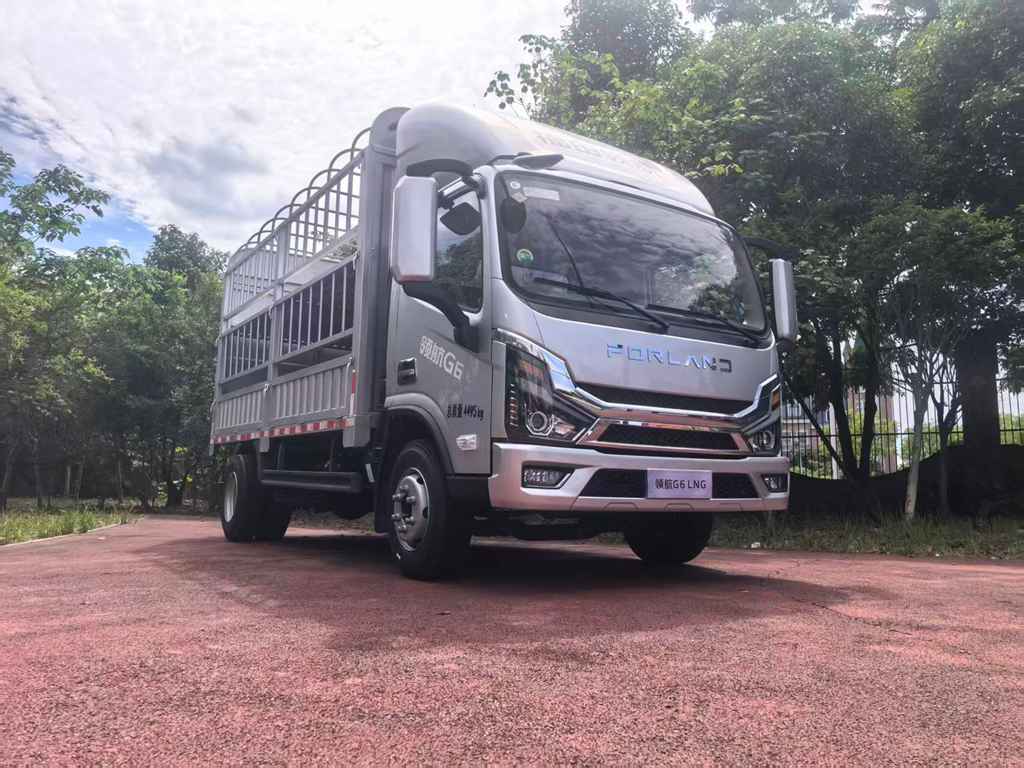
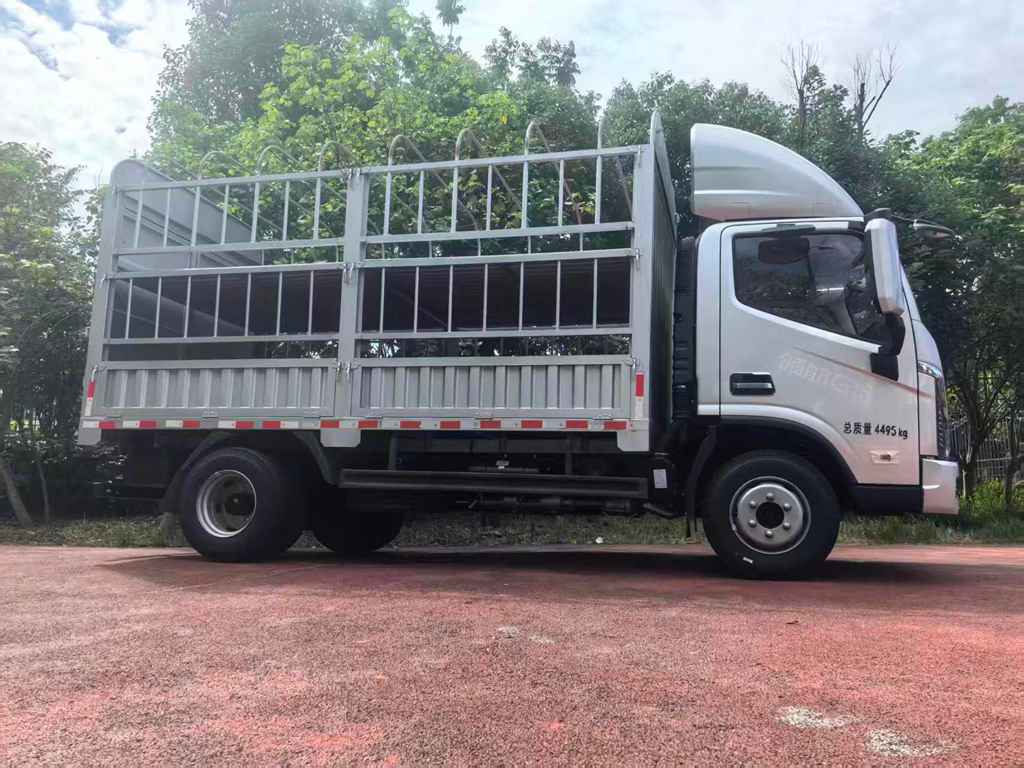
However, the all-new FORLAND G6-LNG gas-powered light truck we will introduce today may completely overhaul your perception of 4.2-meter gas light commercial vehicles.
Powertrain: 190 HP & 450 N·m Torque — Top-Tier Performance Even Among Diesel Models
The truck is equipped with an upgraded version of Quanchai’s latest F28T gas engine, generating 190 horsepower and a peak torque of 450 N·m. Crucially, this is a gas engine, not a diesel unit. Experienced drivers will recognize that 190 hp represents a class-leading output among all LNG light trucks.
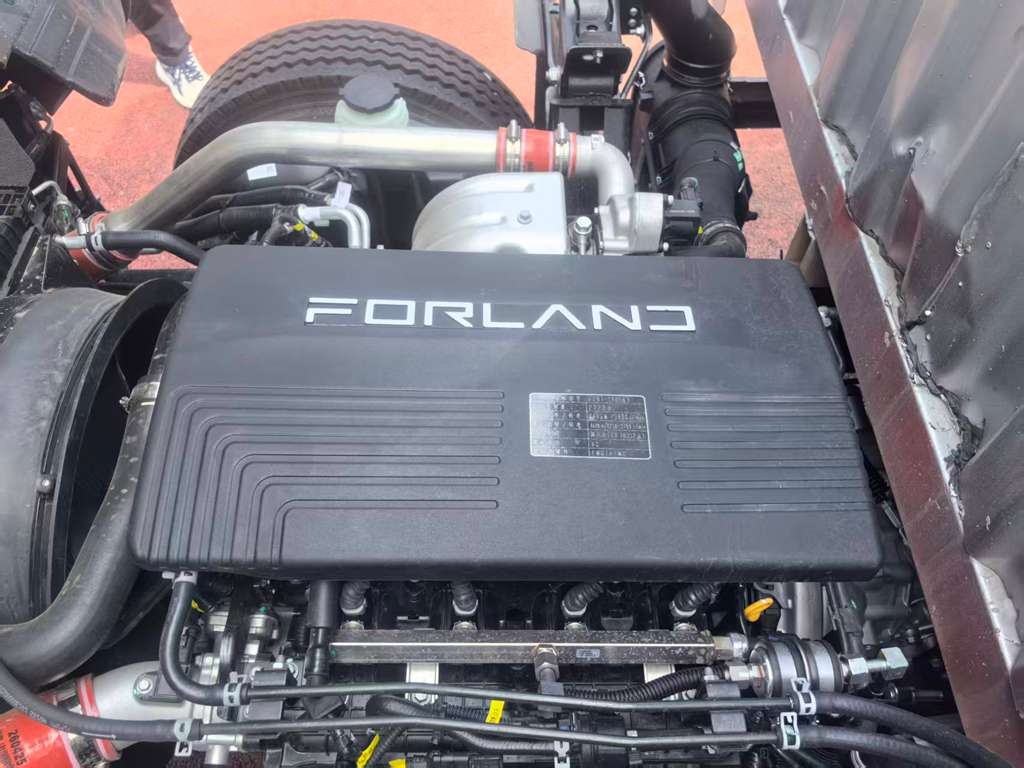
Many operators report that the most noticeable advantage during real-world driving is its ample power without sluggish response. Torque kicks in instantly on takeoff, and the engine sustains peak torque across the 1,400–2,800 rpm range under full load climbing hills, delivering strong, consistent burst power and eliminating frequent downshifting to rev up the engine. It also provides robust mid-to-high speed acceleration for overtaking on highways, with stable power output at high revs.
Furthermore, the engine valves have undergone reinforcement treatment, boosting wear and corrosion resistance threefold. This is a critical upgrade for gas engines: natural gas burns at high temperatures with strong corrosivity, and inferior valves would require major overhaul after merely tens of thousands of kilometers. Customers may choose between a Fast or ZF Transsyn transmission, whose gear oil service interval is extended from 60,000 km to 100,000 km. Fewer workshop visits cut both maintenance fees and costly vehicle downtime.
Load-Bearing Capacity: Robust Rear Axle for Heavy-Duty Operations
A powerful engine means nothing without a sturdy chassis to transfer torque. The all-new Linghang G6-LNG features an upgraded 1080 rear axle, lifting load capacity by 8.3% and raising axle gear torque capacity by 29.6% via enlarged gear components. As the core of the entire load-bearing system, the enhanced torque capacity allows the drivetrain to handle heavy-load takeoffs and hill climbs effortlessly, eliminating the issue of wasted engine power caused by an undersized rear axle.
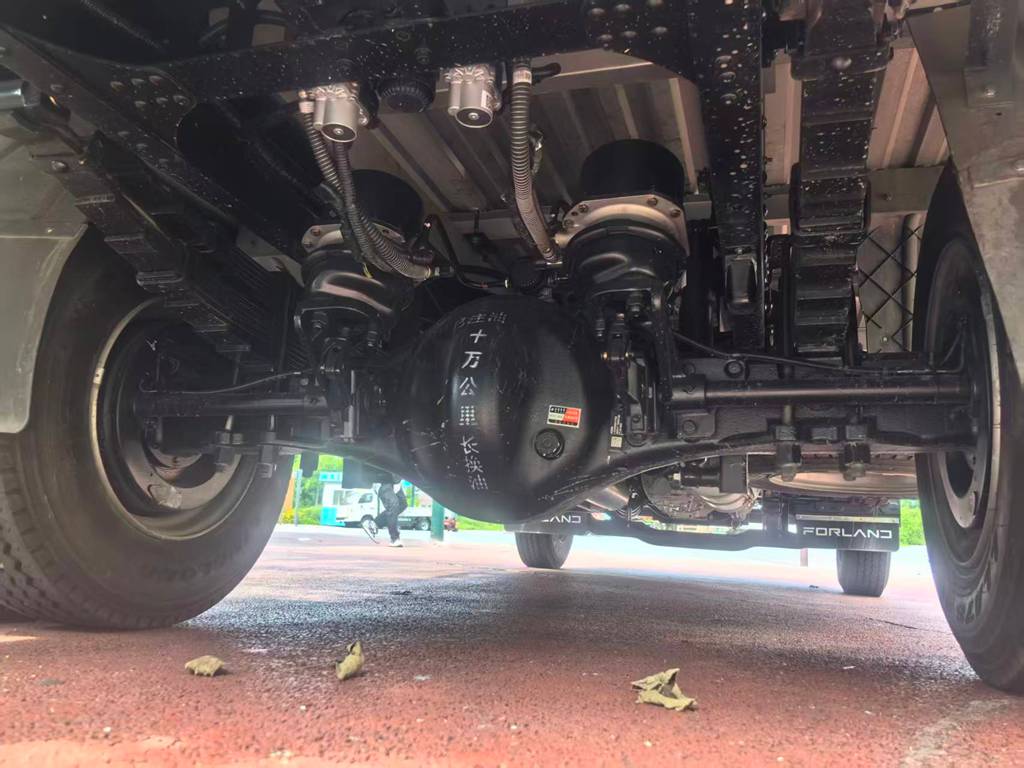
The truck also adopts a double-lip oil seal design that doubles sealing performance. Though often overlooked by drivers, reliable sealing is vital for daily operations: inferior seals allow mud and water to contaminate gear oil or trigger fluid leaks. The improved seal structure delivers further maintenance savings over the vehicle’s service life.
Braking Performance: Powerful Hauling Paired with Reliable Stopping Power
Dependable braking is non-negotiable for heavy loads. Front axle braking torque rises by 10% and rear axle braking torque by 15%, complemented by upgraded 16 cm-wide brake shoes. Higher braking torque generates greater stopping force at the same pedal travel, shortening braking distances significantly. The wider brake shoes offer larger friction surfaces and superior heat dissipation for stable braking during long downhill descents.
Operating Costs: Savings Equivalent to a New Truck Within Five Years — No Exaggeration
Many operators hesitate over the roughly RMB 10,000 price premium of LNG light trucks versus equivalent diesel variants, questioning whether the investment pays off. A clear cost breakdown tells the full story:
Assuming a daily mileage of 200 km and 28 working days per month, the Linghang G6-LNG consumes approximately 10 kg of LNG per 100 km. At over RMB 4 per kilogram of gas, daily fuel costs stand at around RMB 80, with total five-year energy expenses reaching over RMB 140,000. Adding RMB 25,000 for maintenance and RMB 34,000 for insurance, total five-year operating costs amount to just over RMB 200,000.
By comparison, a diesel truck operating under identical conditions burns 11 liters of fuel per 100 km at over RMB 7 per liter, incurring more than RMB 270,000 solely on diesel within five years. With RMB 40,000 maintenance and RMB 46,000 insurance fees, its five-year total operating costs climb to nearly RMB 360,000.
The extra RMB 10,000 paid upfront for the gas truck is recouped via fuel savings in less than one year, generating total savings of over RMB 100,000 across five years — a concrete, calculated financial advantage, not a vague estimate.
Range & Driving Comfort
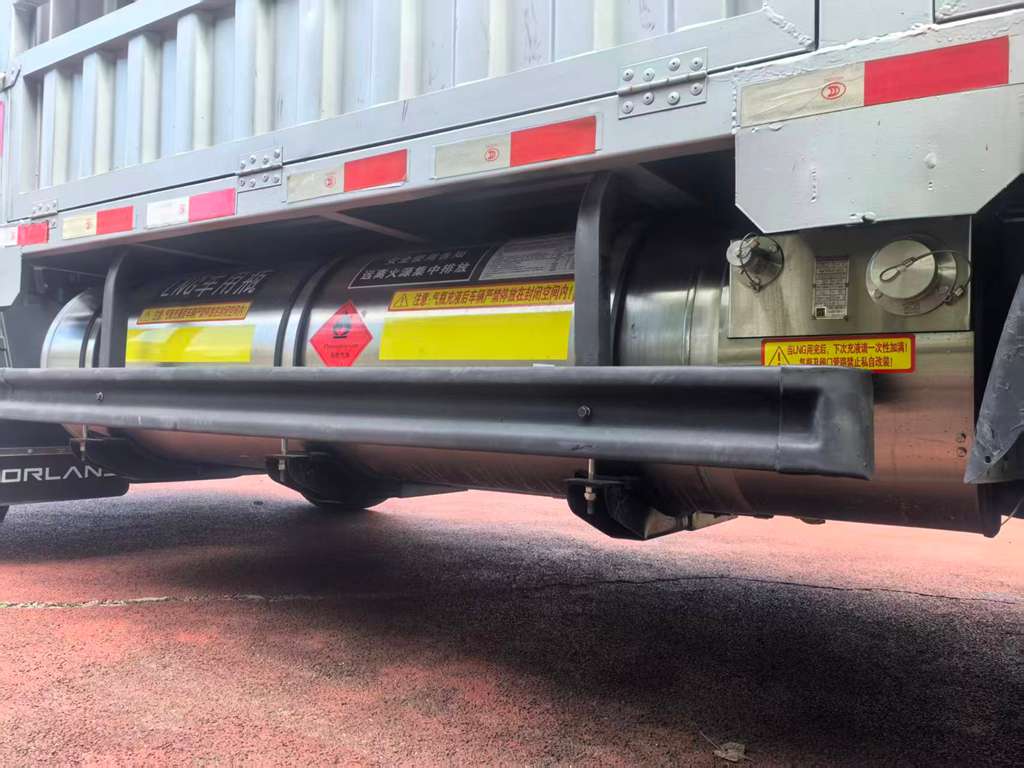
The FORLAND G6-LNG is fitted with a massive 280-liter LNG cylinder alongside a 15-liter auxiliary fuel tank, delivering a combined cruising range exceeding 1,100 kilometers.
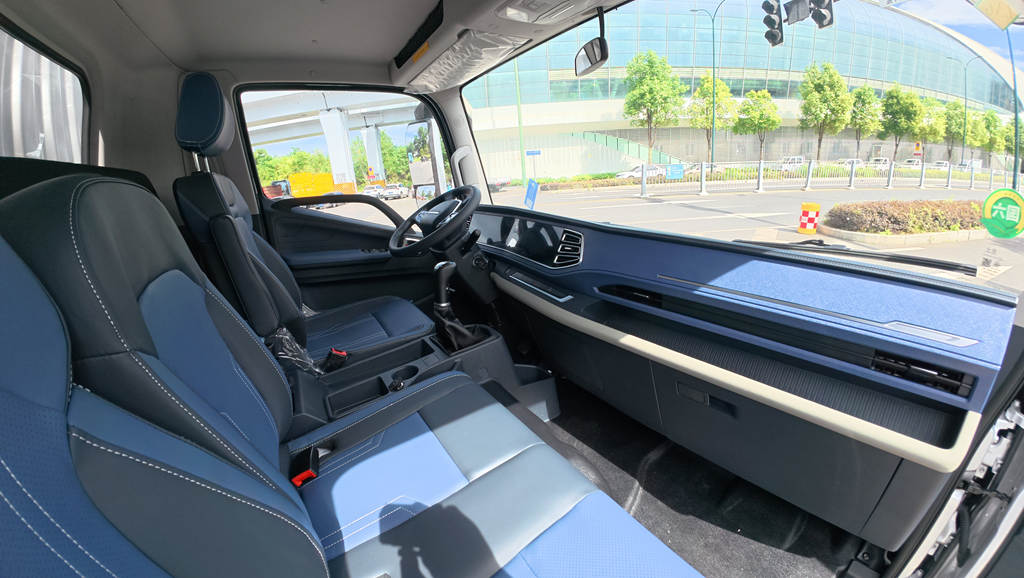
Another standout advantage is its quiet operation: the engine’s full-range NVH performance is 5 decibels lower than comparable diesel trucks. Upgraded acoustic carpeting and door sealing further isolate cabin noise, creating an unusually tranquil driving environment rarely seen on light commercial vehicles. Standard equipment includes an air-suspension seat with ventilation and electric heating, plus optimized steering wheel tilt and seat height adjustment to reduce fatigue during long shifts.
Capable of long-distance travel and heavy haulage, this model is especially ideal for drivers with high daily mileage and tight fuel budgets. It shatters the long-standing stereotype of gas light trucks as cost-efficient yet underpowered, combining robust performance with substantial long-term savings.